Laboratory Equipment for Everyday Workflows
Laboratory scientific products support research, teaching, testing, and quality-control work across many disciplines. Core equipment includes microscopes for viewing specimens, centrifuges for separating samples, incubators for controlled growth, balances for weighing, and hot plates or water baths for heating. Choose equipment according to the task, required capacity, operating range, and available bench space. A compact instrument may suit routine teaching or small batches, while higher-capacity equipment can support repeated workflows. Digital displays, programmable settings, timers, and data connections can make operation and record keeping more convenient. Brands such as Thermo Fisher Scientific, Eppendorf, and OHAUS are commonly associated with laboratory equipment. Compare specifications and included accessories carefully, since rotors, probes, stands, and power supplies can affect how an instrument fits into an existing setup.
- Explore instruments for research, teaching, and testing
- Compare capacity, operating range, and controls
- Check included accessories before purchase
Lab Consumables, Glassware, and Sample Containers
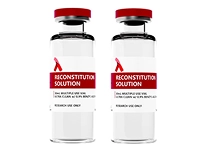
Consumables are the everyday essentials used to collect, prepare, store, and transfer samples. Common choices include pipette tips, tubes, Petri dishes, slides, cuvettes, reagent bottles, and beakers. Glassware is valued for its visibility and suitability for many laboratory procedures, while plastic options can offer lightweight handling and convenient single-use formats. Material selection matters: borosilicate glass, polypropylene, and polystyrene have different chemical, temperature, and handling properties, so check product specifications against the intended contents and process. Capacity, graduations, closure style, sterility, and packaging quantity also influence suitability. For accurate liquid handling, match tips to the pipette model and required volume range. Merck and Eppendorf are among the recognized names associated with laboratory supplies. Keeping frequently used consumables organized can help maintain a smoother workflow and reduce interruptions.
- Compare glass and plastic by application
- Check volume, closure, and material compatibility
- Match consumables to instruments and workflow
Measurement, Analysis, and Monitoring Instruments
Measurement and analytical tools help users quantify samples, monitor conditions, and document results. Depending on the application, a laboratory may use pH meters, thermometers, conductivity meters, spectrophotometers, analytical balances, or data loggers. Important comparison points include measurement range, resolution, repeatability, calibration requirements, sensor type, and display or data-output options. A benchtop instrument may suit frequent measurements, whereas a portable meter can be useful when readings are taken in different locations. Consider whether probes, electrodes, cuvettes, standards, or software are included or need to be selected separately. Calibration and routine checks are part of responsible measurement practice; follow the maker's instructions and the procedures used in your laboratory. Clear specifications make it easier to assess whether an instrument is appropriate for a research, education, or quality-control task.
- Compare range, resolution, and sensor type
- Consider calibration and data-recording needs
- Check whether probes or standards are included
Sample Preparation, Storage, and Lab Safety
Reliable results often depend on how samples are prepared, handled, and stored. Useful product types include vortex mixers, homogenizers, centrifuges, drying ovens, refrigerators, freezers, racks, and cryogenic storage accessories. Select preparation equipment based on sample volume, vessel format, processing time, and required temperature or mixing conditions. Storage products should suit the sample container and the intended organization system, with clear labeling supporting identification and traceability. Personal protective equipment, such as laboratory coats, gloves, and protective eyewear, helps support safe working practices alongside appropriate containment and waste-handling supplies. Match protective items to the task and the laboratory's established procedures. Cleaning and maintenance needs also vary: removable components, accessible surfaces, and compatible cleaning methods can make routine care more manageable. Review product instructions and facility requirements before integrating equipment into a workflow.
- Choose preparation tools for sample type and volume
- Plan storage around containers and labeling
- Include task-appropriate protective supplies
Compatibility, Materials, and Routine Maintenance
Before buying, check how a product will work with the instruments, vessels, reagents, and procedures already in use. Confirm dimensions, fitting or connection type, compatible accessories, supported sample formats, and any software or data-interface requirements. For wetted parts and containers, review material compatibility with the chemicals, temperatures, and cleaning methods involved. This can help narrow choices among glass, stainless steel, and common laboratory plastics without assuming that one material suits every application. Maintenance is another practical consideration: filters, seals, lamps, electrodes, batteries, and calibration solutions may need periodic replacement. Consult manufacturer documentation for care and service guidance, and keep any relevant operating details available to users. Ubuy can help shoppers discover international laboratory products across a range of equipment and supply types; compare item specifications closely to assess fit for your intended setup.
- Verify dimensions, fittings, and accessory compatibility
- Review chemical and temperature suitability
- Consider care requirements and replacement parts
Select the Right lab scientific products
Start with the task the product must perform, then compare the specifications that affect results and daily use. For instruments, prioritize capacity, operating range, precision, controls, and calibration needs; for consumables, check material, volume, packaging, and compatibility. Consider who will use the product, how often it will be used, and whether it must fit an existing bench layout or workflow. Look for clear product documentation and identify any accessories or recurring supplies needed for operation. When comparing options, separate essential requirements from convenient extras, such as digital connectivity or programmable settings. Ubuy offers a place to discover international laboratory equipment, consumables, and related scientific supplies. Review each listing's details and product guidance before choosing, so the selected items align with your application, facility procedures, and practical purchasing priorities.
- Define the application and essential specifications
- Check documentation, accessories, and ongoing supplies
- Compare options against your workflow and setup